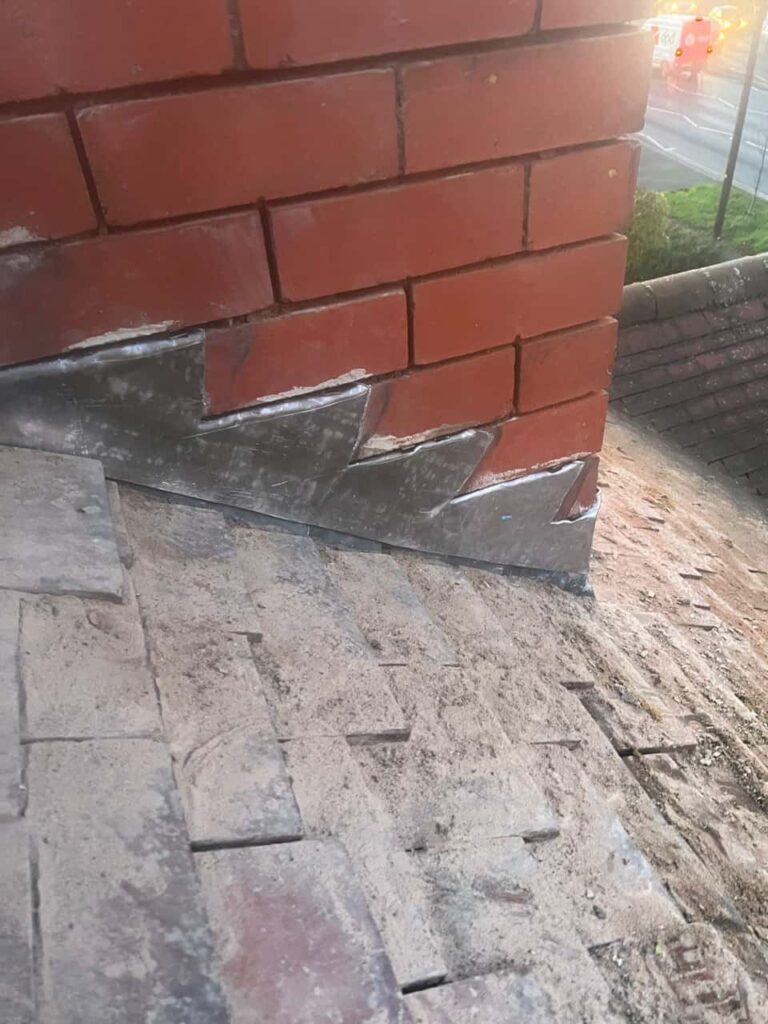
6 Steps to Take After Spotting a Slipped Tile
A slipped roof tile may appear to be a minor issue, but it can quickly lead to water ingress, internal damage and further roofing problems if left unaddressed. In Biggleswade, Bedfordshire, changing weather conditions can place additional strain on roof coverings, making it especially important to act promptly when a tile moves out of position.
Below, SAR Roofing Biggleswade outlines six sensible steps to take after spotting a slipped tile, helping you protect your property and avoid unnecessary complications.
Check the Situation Safely from Ground Level
The first step is to confirm what you have seen without putting yourself at risk. Roof access can be dangerous, particularly on pitched roofs.
You should:
- View the roof from ground level or an upstairs window
- Look for tiles that appear misaligned, missing or uneven
- Avoid climbing ladders or walking on the roof
A visual check is usually enough to confirm whether further action is needed.
Look for Early Signs of Internal Impact
Even a single slipped tile can allow moisture to enter the roof structure. Checking the interior of your property can help identify whether the issue is already affecting your home.
Common signs include:
- Damp patches on ceilings or walls
- Water staining in the loft
- Musty smells or visible condensation
Early detection can prevent more extensive damage from developing.
Protect the Area Below if Necessary
If the slipped tile is located above an entrance, pathway or driveway, there is a small risk of further movement, particularly during windy conditions.
As a precaution, consider:
- Keeping people clear of the area below
- Moving vehicles away if possible
- Monitoring the tile after periods of bad weather
These simple steps help reduce risk while waiting for professional assistance.
Avoid Temporary DIY Fixes
It can be tempting to attempt a quick repair, but makeshift fixes often do more harm than good. Incorrect handling may dislodge surrounding tiles or compromise the roof’s weatherproofing.
It is best to:
- Avoid using sealants or adhesives
- Not attempt to refit tiles without proper access equipment
- Leave the repair to experienced roofers
Professional repairs ensure the tile is correctly repositioned and secured.
Arrange a Professional Roof Inspection
A slipped tile is often a sign of underlying issues, such as worn fixings or weather-related movement. A professional inspection can identify whether other areas of the roof are affected.
An experienced roofer can:
- Secure or replace the slipped tile correctly
- Check surrounding tiles and fixings
- Assess the overall condition of the roof
In Biggleswade, Bedfordshire, local knowledge helps ensure repairs suit the specific roofing styles and conditions found in the area.
Address the Issue Promptly
Timing is important when dealing with roof defects. The longer a slipped tile is left unattended, the greater the chance of water penetration and further deterioration.
Prompt action helps:
- Maintain the roof’s weather resistance
- Protect internal structures and insulation
- Reduce the likelihood of repeat issues
Early intervention often keeps repairs straightforward and effective.
Conclusion
Spotting a slipped tile should never be ignored. By carrying out a safe visual check, monitoring for internal signs, avoiding DIY fixes and arranging professional support, you can protect your roof and your property.
For homeowners in Biggleswade, Bedfordshire, SAR Roofing Biggleswade offers experienced, reliable assistance when roofing issues arise. If you have noticed a slipped tile or would like expert advice on the condition of your roof, professional guidance can help ensure the problem is resolved correctly and with confidence.
Call us on: 01767 660 597
Click here to find out more about SAR Roofing Biggleswade
Click here to complete our contact form and see how we can help with your roofing needs.