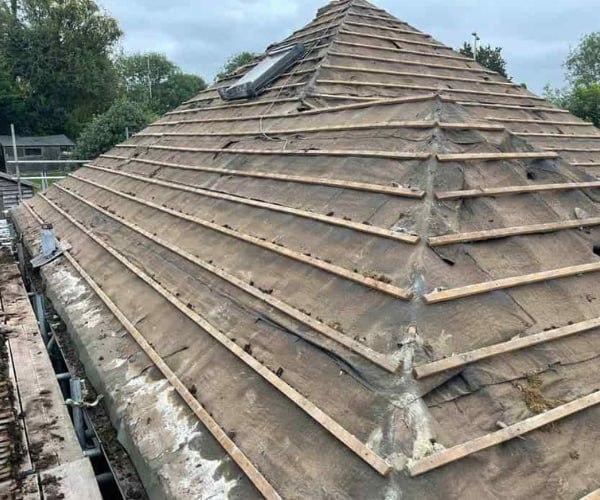
Flat Roof Installation: Choosing the Right System for Your Property
Flat roofs are a practical option for many properties, including home extensions, garages, porches and commercial buildings. Their straightforward design can make them suitable for spaces where a pitched roof is not required, but choosing the right roofing system is essential for long-term performance. The materials, roof structure, insulation and drainage arrangements all influence how well a flat roof protects a building from the elements.
For property owners in Biggleswade, Bedfordshire, understanding the available flat roofing systems can help when planning a new installation or replacing an ageing roof. A carefully selected system, installed correctly, can provide dependable weather protection and help reduce the risk of future problems.
What to Consider Before Installing a Flat Roof
Before choosing a roofing material, it is important to understand the building’s requirements. The size and shape of the roof, its intended use, the condition of the supporting structure and the way rainwater will drain away all affect the most suitable design.
A flat roof is not usually completely level. It needs an appropriate fall so that water can flow towards the drainage outlets rather than remain on the surface. Poor drainage can contribute to standing water, increased strain on the covering and premature deterioration.
Insulation and ventilation should also be considered as part of the overall roof design. These details can influence energy efficiency, condensation control and the long-term condition of the roof structure. A professional assessment helps establish which components are needed for the specific property.
Common Flat Roofing Systems
Different flat roofing materials offer distinct characteristics. The right choice depends on the building, the existing roof construction and the performance required.
Felt Roofing
Felt roofing remains a familiar option for garages, extensions and other flat-roofed structures. Modern systems typically use bitumen-based roofing membranes designed to provide a protective, weather-resistant surface.
The quality of the installation is particularly important around seams, roof edges, outlets and junctions with walls. Poorly finished details can become points where water enters, even when the main roof covering appears sound.
Felt can be suitable for many straightforward roofing projects, provided the system is appropriate for the building and installed according to the manufacturer’s requirements.
EPDM Rubber Roofing
EPDM is a synthetic rubber membrane commonly used on flat roofs. It offers flexibility and resistance to weather exposure, making it a practical option for many domestic applications.
The membrane can often be installed in large sections, reducing the number of seams across the roof. However, edges, joints, outlets and penetrations still require careful detailing to maintain a watertight finish.
EPDM may be worth considering for property owners looking for a modern membrane system with relatively straightforward routine maintenance.
GRP Fibreglass Roofing
GRP roofing uses glass-reinforced polyester to create a rigid, seamless finish. It is formed on site using resin and reinforcement materials, with particular attention required around roof edges, outlets and other details.
When installed correctly, GRP provides a durable surface suitable for many flat-roof applications. The supporting deck and installation conditions must be suitable, as movement or poor preparation can contribute to cracking and other defects.
A roofing professional can advise whether GRP is appropriate for the structure and intended use of the roof.
Single-Ply Membrane Roofing
Single-ply roofing uses a flexible synthetic membrane designed to provide weather protection across the roof surface. Different membrane types have different installation and performance characteristics, so the specification should match the building’s requirements.
Seams are joined using the method appropriate to the selected product, and careful detailing is needed around outlets, rooflights and perimeter edges.
Single-ply systems can be suitable for a range of flat roofs, particularly where a specified membrane solution is required for the building design.
Why Drainage and Insulation Matter
Selecting a suitable membrane is only one part of a successful flat roof installation. Drainage and insulation must be considered alongside the covering to help the roof perform as intended.
Effective Rainwater Drainage
A well-designed flat roof includes suitable falls and drainage outlets to direct rainwater away from the building. If water collects repeatedly in the same area, it may indicate inadequate falls, blocked outlets or movement in the roof structure.
The installation should account for the roof’s shape and the position of gutters or outlets. These details are particularly important around extensions and garages where water must be directed away from walls and entrances.
Appropriate Roof Insulation
Insulation can help reduce heat loss through the roof, but the correct arrangement depends on the building and existing construction. Warm-roof and cold-roof designs manage insulation and ventilation differently, so the choice should be made with condensation risk and moisture control in mind.
Professional planning helps ensure that insulation, vapour control and ventilation are considered together rather than treated as separate additions.
How to Maintain a Newly Installed Flat Roof
Regular checks can help keep a flat roof in good condition and identify problems before they develop into leaks. Keep drainage outlets and gutters clear, and look for visible signs of damage such as loose edges, splits or deteriorating joints.
After periods of severe weather, it is sensible to check for signs of water ingress inside the property. Damp patches, ceiling stains or persistent moisture may indicate that the roof needs attention.
Avoid walking on the roof unless it has been designed for access and suitable precautions are in place. If you notice standing water or damage to the covering, arrange a professional inspection to establish the cause and appropriate repair.
Professional Flat Roof Installation in Biggleswade, Bedfordshire
Choosing a flat roofing system involves balancing the building’s design, the material’s characteristics, drainage requirements and the details needed for a reliable installation. A system that works well on one property may not be the best option for another.
SAR Roofing Biggleswade can help property owners assess their flat roofing requirements and identify a suitable installation approach. Considering the roof structure, insulation, drainage and membrane together helps ensure that the completed roof is designed around the needs of the building.
If you are planning a new flat roof or replacing an existing covering, contact SAR Roofing Biggleswade to discuss your project and arrange a professional assessment in Biggleswade, Bedfordshire.
Conclusion
The right flat roof system depends on more than the choice of covering. Felt, EPDM, GRP and single-ply membranes each have characteristics that may suit different buildings, while effective drainage, insulation and careful installation are essential for reliable performance.
For property owners in Biggleswade, Bedfordshire, professional guidance can help identify a suitable roofing solution for a garage, extension or other flat-roofed structure. SAR Roofing Biggleswade can help you plan an installation that meets your property’s requirements and provides dependable protection from the weather.
Call us on: 01767 660 597
Click here to find out more about SAR Roofing Biggleswade
Click here to complete our contact form and see how we can help with your roofing needs.